The first time I set foot in Philadelphia, I was overwhelmed by how much history and culture lived in such a compact city. Independence Hall, the Liberty Bell, the colorful murals splashed across walls in unexpected corners—everything felt alive. But like most first-time visitors, I quickly faced a practical question: how do I get around efficiently without draining my wallet? That’s when I turned to Philadelphia’s subway system, officially operated by SEPTA—the Southeastern Pennsylvania Transportation Authority.
Riding the subway in Philadelphia may not sound as glamorous as strolling through Old City or grabbing a cheesesteak at Reading Terminal Market, but it quickly became one of the most useful parts of my trip. Over time, I’ve learned that mastering the subway here not only saves money but also unlocks the city’s neighborhoods in a way that taxis or rideshares never could.
For anyone visiting Philadelphia for the first time, especially travelers with limited time and a tight budget, I want to share a detailed guide filled with personal impressions, practical tips, and lessons I learned along the way.
Tip 1: Understand the SEPTA Subway System
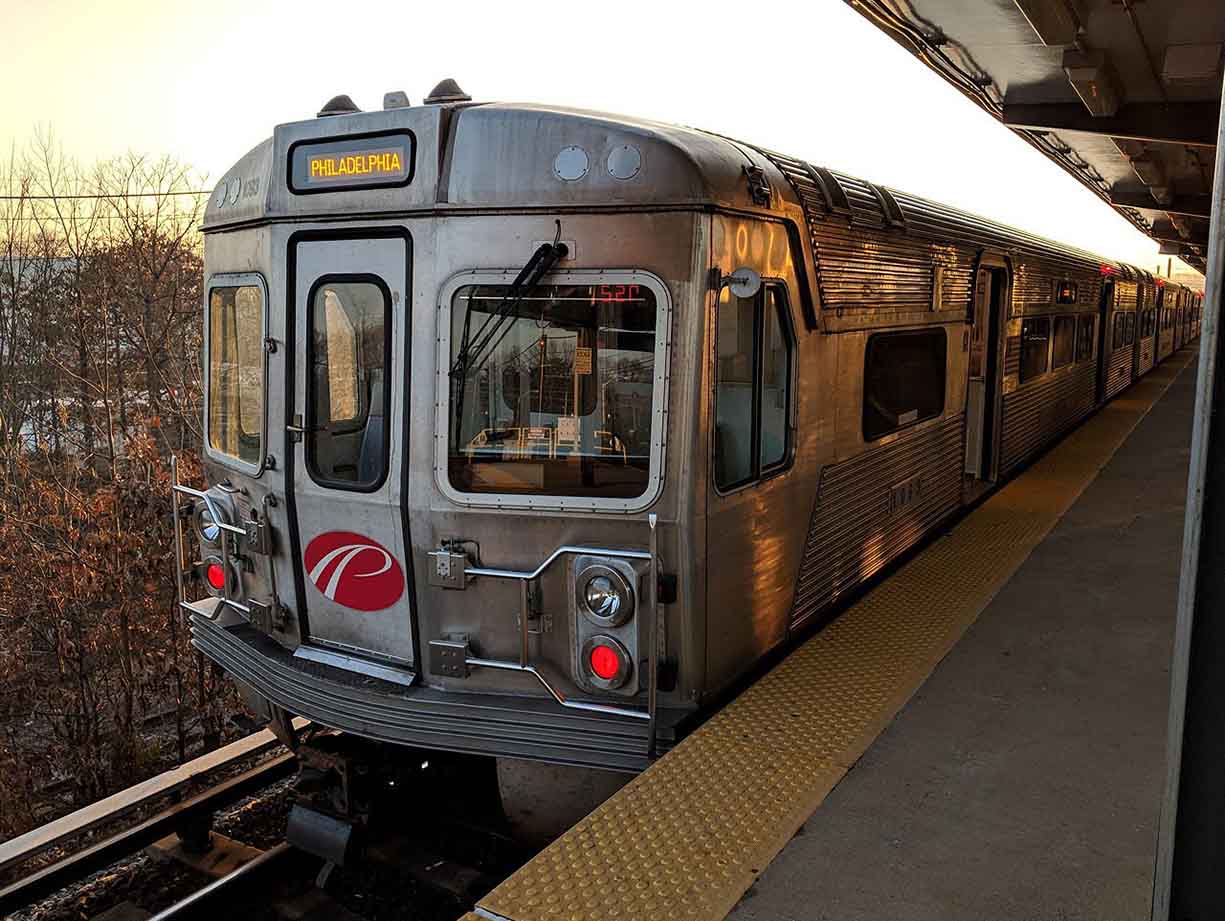
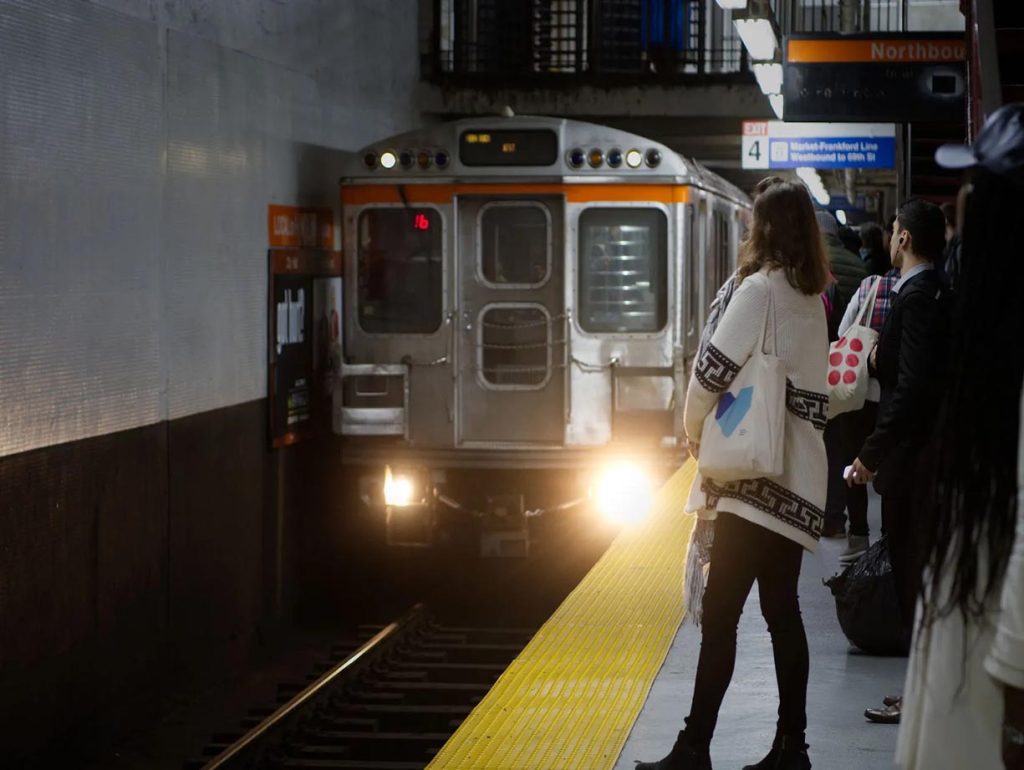
Philadelphia’s subway system is relatively simple compared to giants like New York City’s or London’s. There are two main subway lines:
- The Broad Street Line (Orange Line), which runs north to south along Broad Street. It’s perfect for reaching sports stadiums, Temple University, and Center City.
- The Market-Frankford Line (Blue Line), which runs east to west, connecting 69th Street in Upper Darby through Center City to Frankford in the northeast.
These two lines form the backbone of Philadelphia’s rapid transit. The subway is supplemented by trolleys, regional rail, and buses, but for a newcomer, sticking with the two subway lines is a simple and effective way to start.
The first time I looked at the map, I realized how straightforward it was. Instead of a web of confusing colors and loops, it was two lines crossing the heart of the city. That made me feel more confident as a first-time rider.
Tip 2: Get a SEPTA Key Card
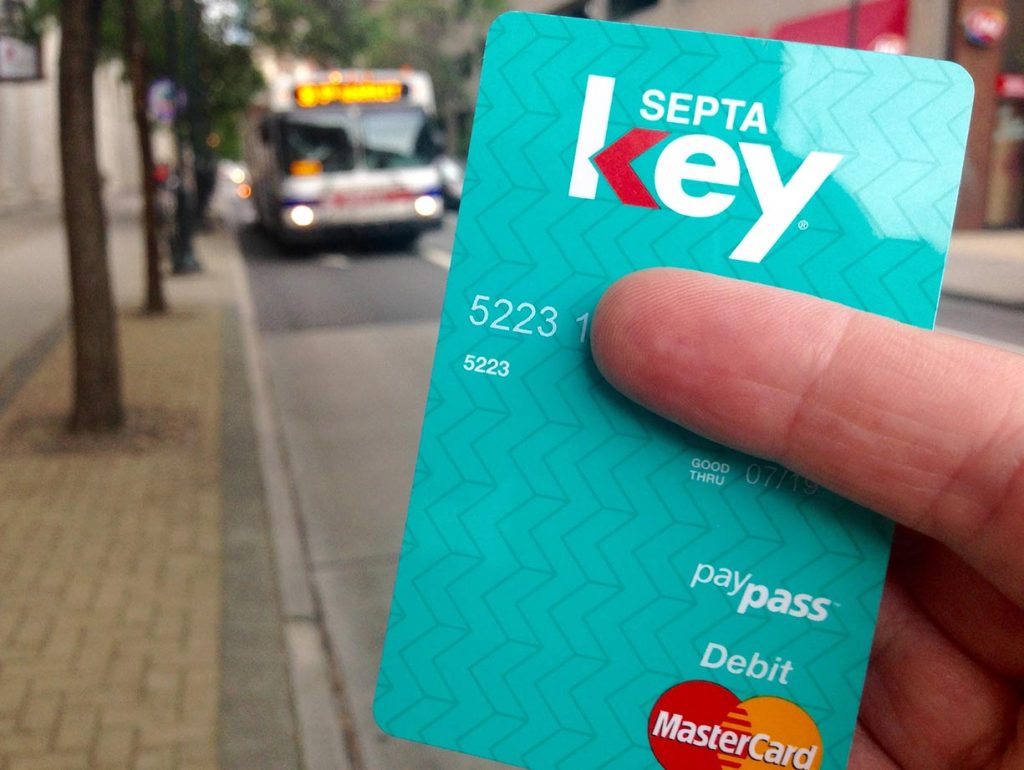
When I first arrived, I made the mistake of buying single-ride tokens at a kiosk. It worked, but it was clunky and cost more in the long run. I quickly learned about the SEPTA Key Card, a reusable smart card that works on the subway, buses, trolleys, and regional rail.
Purchasing a Key Card is easy—I found machines at major stations like 15th Street/City Hall. Loading money onto it felt like topping up a metro card in any big city. Not only does it save time at the turnstiles, but it also gives access to discounted fares and daily or weekly passes.
For instance, if I knew I’d be taking multiple rides in a day, I would buy a One Day Convenience Pass, which allowed unlimited rides for just a few dollars more than two single trips. On longer stays, I used the Weekly TransPass, which more than paid for itself if I rode the subway at least twice a day.
Tip 3: Know Where the Subway Takes You
The Philadelphia subway isn’t just a way to get from point A to point B; it connects many of the city’s iconic destinations.
On the Broad Street Line, I used the Walnut-Locust stop to explore the Avenue of the Arts, where theaters and cultural venues line the street. Southbound, the NRG Station dropped me right at the stadiums—Citizens Bank Park, Wells Fargo Center, and Lincoln Financial Field. Catching a Phillies game or a Flyers match became incredibly easy and cheap with the subway.
On the Market-Frankford Line, I loved hopping off at 2nd Street to wander Old City, with its cobblestone streets and colonial-era buildings. Heading west, University City came alive around 34th Street, with students, coffee shops, and vibrant murals.
Realizing how well the subway aligned with my sightseeing goals gave me a sense of independence. I wasn’t relying on expensive rideshares or wasting energy walking miles unnecessarily.
Tip 4: Safety First—Travel Smart on the Subway
Like any big city subway, Philadelphia’s system has its quirks. I always made sure to keep my belongings close, especially during late evenings. While I never had a bad experience, I noticed some stations could feel quiet and isolated at night.
I recommend sticking to well-lit stations and avoiding traveling alone too late if you’re unfamiliar with the city. During peak hours, trains are lively and filled with commuters, making them feel safe and energetic.
SEPTA has installed security cameras, and I often saw transit police patrolling the platforms. That gave me peace of mind, but I still followed the same common-sense rules I would in New York or Washington D.C.—no flashy displays of cash, keep my bag zipped, and stay alert.
Tip 5: Learn the Local Etiquette
Every subway has its rhythm, and Philadelphia’s is no different. I quickly noticed that locals stand on the right side of escalators, leaving the left side free for those in a hurry. On trains, people tend to spread out but give up seats for seniors or parents with children.
One small but important habit: always let passengers off the train before boarding. I once rushed into a car before people could exit, and the looks I got reminded me how important this small courtesy is.
Blending in with these unspoken rules made me feel less like a tourist and more like someone who belonged.
Tip 6: Avoid Rush Hour if You Can
Philadelphia’s subway system gets crowded during peak commuting times, especially between 7:30–9:00 AM and 4:30–6:00 PM. Trains are packed with office workers, and while it’s fascinating to see the city’s rhythm, it can also feel overwhelming if you’re carrying luggage or traveling with kids.
I learned to plan sightseeing around these windows. Starting my day a little earlier or later not only meant less crowded trains but also made my visits to attractions more peaceful. For example, arriving at Independence Hall right when it opened after a quiet subway ride gave me time to enjoy the site without heavy crowds.
Tip 7: Pair the Subway with Walking
The subway is efficient, but part of Philadelphia’s charm lies in its walkable neighborhoods. I often rode the subway to a central stop and then explored on foot.
For instance, after exiting at 5th Street, I walked to the Liberty Bell, Independence Hall, and Elfreth’s Alley, all within a few blocks of each other. From 30th Street Station, I strolled through University City and crossed the Schuylkill River on foot, taking in the skyline views.
Walking gave me moments of unexpected discovery—tiny cafés, hidden murals, street performers—that I would have missed if I had only taken trains and cars.
Tip 8: Use Online Tools for Planning
Navigating the subway became easier once I discovered the SEPTA app, which provides schedules, real-time updates, and maps. I also used Google Maps, which integrates subway routes seamlessly. Typing in “from City Hall to Philadelphia Zoo” instantly gave me subway and bus combinations with estimated travel times.
When planning my trip as a whole, platforms like Expedia and Kayak helped me bundle flights and hotels in Philadelphia at lower prices. For activities and attraction tickets, I relied on GetYourGuide and Viator, which often offered discounts compared to buying on-site.
Having all these digital tools in my pocket reduced stress and made me feel confident even when I wandered into less familiar neighborhoods.
Tip 9: Know the Costs and Save with Passes
A single ride on the subway costs around \$2.50, but as I mentioned earlier, passes offer much better value if you’re riding multiple times a day. The One Day Convenience Pass and the Weekly TransPass were my go-to solutions depending on my stay length.
For budget-conscious travelers, combining a subway pass with a CityPASS for attractions creates a powerful money-saving combo. I once paired them during a long weekend trip and ended up spending less than \$100 for all my transit and entrance fees combined.
Booking passes online through official SEPTA sites or travel platforms like Tripadvisor Experiences made it hassle-free.
Tip 10: Plan for Accessibility
Philadelphia’s subway system has been improving accessibility, and many major stations now have elevators and ramps. I noticed clear signage at City Hall and 69th Street stations pointing toward accessible routes.
If you’re traveling with strollers, luggage, or mobility challenges, I recommend checking SEPTA’s website beforehand for station accessibility updates. I learned this the hard way when I once lugged my suitcase up several flights of stairs at a smaller station. Knowing in advance saves both time and energy.
Tip 11: Explore Beyond the Subway
While the subway is efficient, Philadelphia’s broader SEPTA network connects to suburban areas and even to the airport. I once used the Airport Line to reach my flight, and the cost difference compared to a taxi was dramatic. For less than \$7, I traveled in comfort while others were paying upwards of \$30–40 for a car service.
Regional rail also took me on day trips to places like Valley Forge and Manayunk, which felt like hidden gems outside the city center. Pairing the subway with these options expanded my adventure without increasing costs.
Reflections After Countless Rides
Standing on a subway platform in Philadelphia, I sometimes think about how much ground I’ve covered thanks to this simple system. The screech of the trains, the hum of conversation, the mix of students, workers, and travelers—it feels like the heartbeat of the city.
The subway isn’t perfect, but it’s affordable, reliable, and surprisingly easy for first-timers once you know the basics. Each ride connects me not just to destinations but also to the energy of Philadelphia itself. Whether I’m heading to a sports game at the stadiums, a stroll through Old City, or simply trying to save money while exploring, the subway is always my ally.
Pairing it with smart booking through platforms like Booking.com for hotels, Expedia for flights, OpenTable for dining reservations, and GetYourGuide for attraction tickets has made my Philadelphia adventures smooth, affordable, and endlessly rewarding.
Whenever I return, I look forward to swiping my SEPTA Key Card, hearing the familiar chime at the turnstile, and stepping into another day of exploration beneath the streets of the City of Brotherly Love.