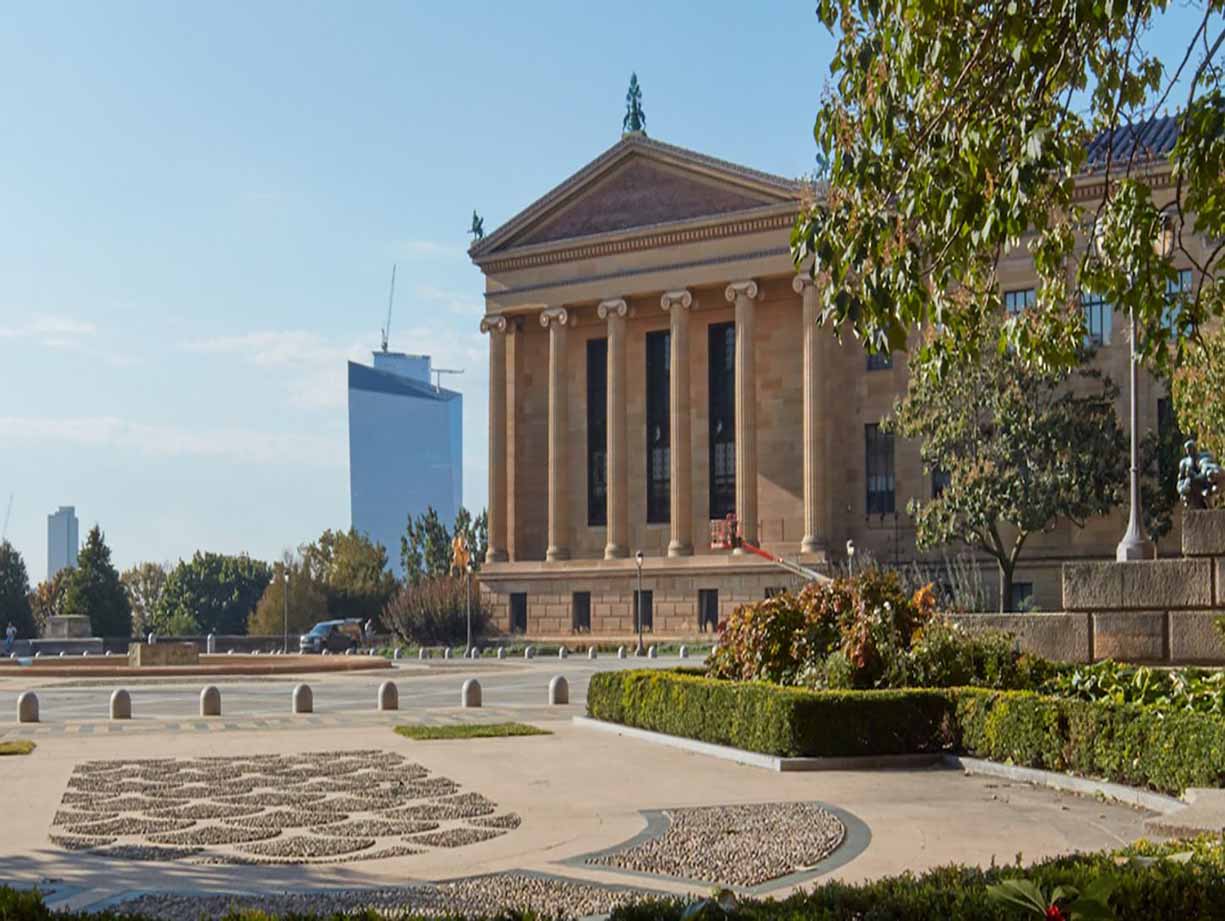
Philadelphia is a city that vibrates with energy, history, and culture. From the cobblestone streets of Old City to the vibrant murals across University City, every corner of this city tells a story. Among its cultural treasures, the Philadelphia Museum of Art (PMoA) stands as a beacon for both residents and visitors. Approaching the museum along the Benjamin Franklin Parkway, I was immediately struck by the elegance of its neoclassical architecture, the grandeur of its columns, and the iconic steps immortalized in the Rocky films. This museum is more than a collection of artworks—it is a journey through centuries of human creativity and expression, and stepping inside is like stepping into a living chronicle of artistic endeavor.
Arriving at the Museum: First Impressions
📍 Address: 2600 Benjamin Franklin Parkway, Philadelphia, PA 19130
The first moment I saw the museum, the wide boulevard, dotted with fountains, sculptures, and trees, framed the building beautifully. The steps leading up to the entrance were alive with energy: tourists taking photos, joggers emulating Rocky’s iconic run, families laughing, and students sketching the landscape. Walking up those famous steps myself, I felt a connection to both Philadelphia’s cultural heritage and pop culture history. The view from the top is breathtaking—looking down the Parkway, the Schuylkill River glimmered in the sunlight, and the skyline stretched into the distance, giving a sense of the city’s vastness and charm.
Inside, the museum’s lobby immediately impressed me with its high ceilings, polished floors, and elegant design. The staff greeted me warmly, offering maps and guidance. Tickets can be purchased on-site or online through platforms like Ticketmaster, Viator, and the museum’s official website. Adult general admission is \$25, seniors \$23, and students \$14, while children under 12 enter free. I highly recommend purchasing online in advance to avoid lines, especially during weekends or special exhibitions.
Entering the Galleries: European Masterpieces
As I wandered into the European painting galleries, I was enveloped in a quiet reverence. Works by Van Gogh, Monet, Renoir, and Rembrandt adorn the walls, each telling a story through brushstroke and color. Standing before Van Gogh’s Sunflowers, I was captivated by the thick texture of the paint and the vibrant yellows that seemed to radiate warmth. The piece exuded energy, and I lingered far longer than I expected, observing other visitors who, like me, were mesmerized.
The Impressionist section followed, featuring Monet’s Water Lilies among other masterpieces. The subtle blending of colors created a sense of serenity, almost transporting me to a tranquil garden scene. Walking through these galleries, I realized how carefully the museum curated the visitor’s experience, guiding me through a narrative journey across continents and centuries.
American and Asian Art Galleries
After exploring European works, I ventured into the American Art galleries. These spaces showcase the evolution of American artistic identity—from colonial portraits to abstract modern pieces. Each painting, sculpture, and installation tells a story about the social, political, and cultural context of its time. The precision of the curation made the galleries not only visually stimulating but educational.
The Asian Art collection offered a completely different sensory experience. Intricate jade carvings, delicate scroll paintings, and bronze sculptures transported me across millennia and continents. Walking among these artifacts, I marveled at the attention to detail and the sense of history preserved within each piece. The calm, meditative ambiance in these galleries contrasted beautifully with the vibrancy of the European sections, providing a rhythm to the museum visit that encouraged reflection and discovery.
Contemporary and Special Exhibitions
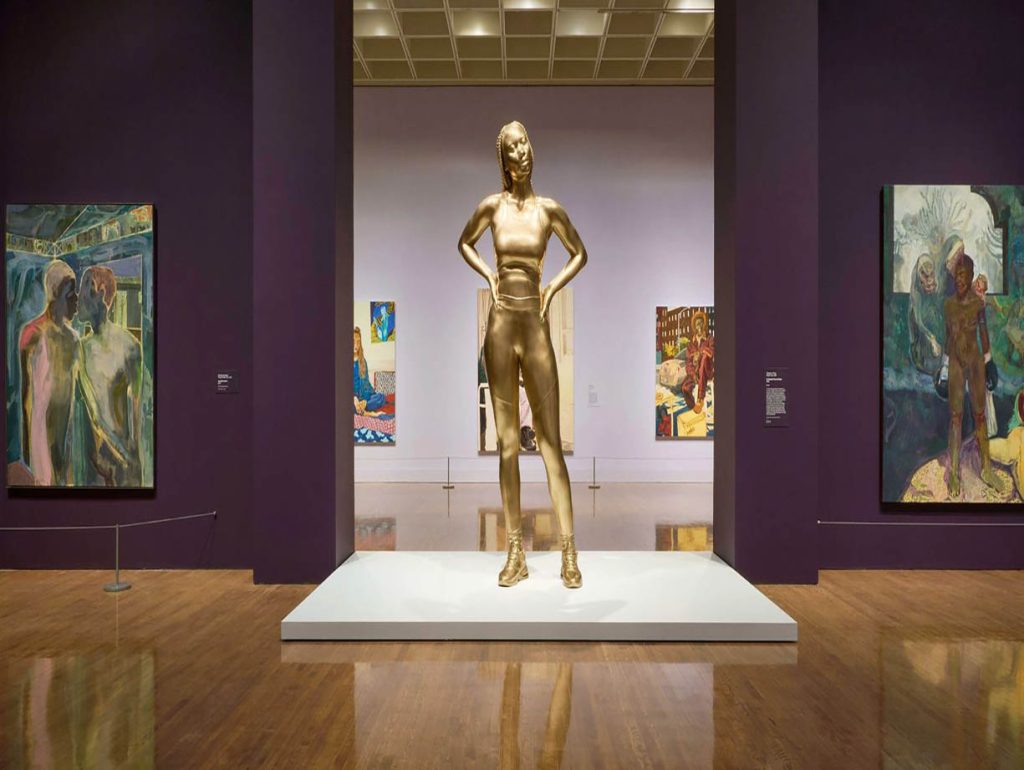
Philadelphia Museum of Art is not only about historical masterpieces. The contemporary galleries push boundaries, featuring installations that challenge perception and encourage interaction. One exhibit involved walking through mirrored corridors, creating reflections that distorted space and perspective. It was both playful and disorienting, making me more aware of the act of seeing itself.
I also attended a temporary exhibition on modern sculpture, which highlighted emerging artists’ experimental approaches. Tickets for special exhibitions often require timed-entry passes and can be purchased online. Platforms like Viator, GetYourGuide, and the museum’s official website offer convenient bundled tickets for regular admission plus special exhibits. I booked mine in advance, which allowed me to plan a full day without worrying about availability.
Experiencing the Rocky Steps
No visit to the Philadelphia Museum of Art is complete without running up the “Rocky Steps.” Joining fellow visitors, I jogged up the steps, laughing and celebrating at the top. The panoramic view from this vantage point is unforgettable. The bronze Rocky statue nearby is a popular photo opportunity, and I queued patiently with others to snap my own picture, capturing the playful spirit of the moment.
The steps themselves are a meeting point of history, culture, and fitness. Seeing joggers and families sharing the space creates a sense of community, a reminder that the museum is not just a building but a vibrant public space.
Nearby Attractions Within Walking Distance
The museum’s location makes it a hub for exploring the Parkway and surrounding areas. After my visit, I walked to several nearby sites:
- Rodin Museum (2151 Benjamin Franklin Pkwy): Housing Rodin’s The Thinker, this museum is only a 10-minute walk away. Tickets are \$12 for adults and can be booked through Eventbrite.
- Barnes Foundation (2025 Benjamin Franklin Pkwy): Famous for its Impressionist and modern art collection. Pre-booking via the Barnes Foundation website is recommended, with at least 90 minutes for a full experience.
- Franklin Institute (222 N 20th St): About 15 minutes on foot, offering interactive science exhibits for families. Tickets are \$23 online through the Franklin Institute website.
The Parkway itself is dotted with sculptures, fountains, and green spaces, making the walk between these attractions enjoyable and scenic.
Dining Options Near the Museum
After several hours immersed in art, I needed a break. Several excellent dining options are within walking distance:
- The Art Museum Café: Located within the museum, it offers a casual spot for a snack, coffee, or light lunch.
- Sabrina’s Café: Ten minutes on foot, popular for brunch and hearty meals. I made a reservation via OpenTable, which is highly recommended during peak hours.
- Jack’s Firehouse: A casual Italian-American restaurant nearby, ideal for dinner. I booked through Yelp Reservations, which made the process seamless.
These options allow visitors to refuel without straying far from cultural exploration.
Accommodation Options Nearby
For visitors wishing to stay close to the museum, several hotels provide both comfort and convenience:
- The Logan Philadelphia, Curio Collection by Hilton: Central location, elegant rooms, rooftop lounge. Book through Booking.com for best rates and free cancellation.
- Kimpton Hotel Monaco Philadelphia: Boutique charm in Old City, walking distance to museum via short taxi or rideshare. Reserve through Hotels.com for rewards points.
- Loews Philadelphia Hotel: Historic building with direct subway access. Rates start at \$250 per night; check Expedia for bundled deals.
Booking accommodations near public transit lines or walkable paths enhances the visit, making it easy to explore additional museums, restaurants, and historic neighborhoods.
Transportation Tips
Philadelphia is well-served by public transit. The SEPTA subway and bus systems connect the museum to Center City, University City, and beyond. I purchased a one-day SEPTA pass for \$9, which allowed unlimited travel and made hopping between sites simple. For travelers preferring convenience, rideshare apps like Uber and Lyft are widely available.
For those coming from nearby cities, Amtrak’s 30th Street Station provides direct rail connections to New York, Washington D.C., and Boston, making Philadelphia accessible without needing a car. Booking tickets through Amtrak.com in advance often provides discounted fares and flexible options.
Planning Tips for Your Museum Visit
- Arrive early: Morning visits allow for quieter galleries.
- Use online ticketing: Platforms like Ticketmaster or the museum’s official website prevent long lines.
- Wear comfortable shoes: Exploring multiple galleries and walking the Parkway requires comfortable footwear.
- Plan dining in advance: Use OpenTable or Resy for nearby restaurant reservations.
- Bring a water bottle: Many galleries allow water, keeping you hydrated during extended visits.
- Check exhibition schedules: Timed-entry tickets for special exhibitions ensure you don’t miss popular shows.
- Consider guided tours: For \$10–\$15 extra, museum guides provide insight that significantly enhances appreciation.
- Explore nearby attractions: Combine visits to Rodin Museum, Barnes Foundation, and the Franklin Institute.
- Take breaks outdoors: The Parkway and surrounding green spaces are ideal for reflection or photos.
- Use apps and maps: The museum app offers interactive maps, highlights, and information about each gallery.
Personal Reflections
Walking through the Philadelphia Museum of Art felt like a dialogue between past and present. The historical works communicate timeless human experiences, while contemporary exhibits challenge perceptions and ignite curiosity. Standing in front of iconic paintings, sculptures, and installations, I felt a connection to artists across time and space. Every gallery offered a new perspective, and every hallway encouraged slow, thoughtful exploration.
Beyond the walls of the museum, the surrounding cultural corridor, restaurants, and public spaces create a holistic experience. The ease of accessing these spaces on foot or via public transit enhanced the overall visit, transforming a simple day trip into a rich cultural immersion. Booking flights through Expedia, hotels through Booking.com, and dining via OpenTable or Resy made logistics seamless, leaving more energy for exploration and engagement with the art itself.
Exploring the City Beyond
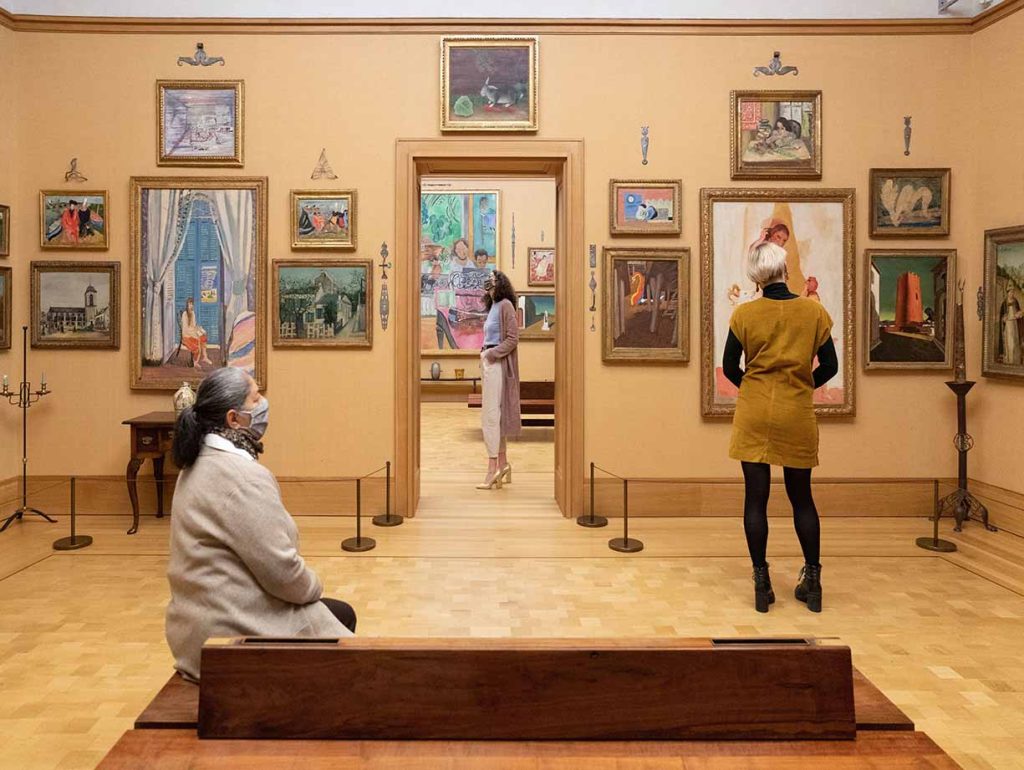
After spending hours inside, I ventured into the city’s neighborhoods. Walking along the Parkway, I passed murals, sculptures, and fountains that punctuate the route, adding a dynamic art experience outside the museum walls. Nearby, Rittenhouse Square offers cafes, boutique shops, and people-watching opportunities, making it an ideal post-museum destination.
Public transit enabled trips to Old City, University City, and Northern Liberties, each neighborhood offering unique dining, shopping, and cultural experiences. The Philadelphia Museum of Art acts as a cultural anchor, with convenient connectivity allowing for an expansive city adventure.
Booking Strategies for Philadelphia Travel
- Flights: Book early via Expedia, Kayak, or Skyscanner. Consider mid-week flights for lower fares.
- Hotels: Compare rates on Booking.com, Hotels.com, and check loyalty programs for discounts.
- Museum Tickets: Online platforms like Ticketmaster, Viator, and the museum’s official website prevent queues.
- Dining Reservations: Use OpenTable or Resy for peak times, particularly brunch or weekend dinners.
Thoughts on the Museum Experience
Every step through the Philadelphia Museum of Art was immersive. From the European masterpieces to contemporary installations, from the iconic Rocky Steps to nearby attractions, the visit offered a full spectrum of cultural engagement. Careful planning, combined with convenient booking platforms for flights, hotels, tickets, and dining, allowed me to focus entirely on absorbing the art, the city, and the unique atmosphere that Philadelphia offers. The museum is not merely a destination; it is a central hub connecting visitors to the art, history, and culture of an extraordinary city.